The ST2S baccalaureate (Sciences and Technologies of Health and Social Services) prepares students for careers in the health and social sectors. To work in parapharmacy, this diploma serves as a coherent starting point, but the subsequent training path truly determines access to the profession and career prospects.
What a parapharmacist does on a daily basis
The term “parapharmacist” refers to a sales advisor specialized in parapharmacy products: cosmetics, dietary supplements, hygiene products, comfort or prevention devices. This professional works in the parapharmacy sections of large retail stores, in independent parapharmacies, or within pharmacies.
His role goes beyond simple sales. He guides the customer towards the product suited to their situation (skin type, nutritional need, allergy constraint), manages stock, and participates in shelf stocking. The difference with the pharmacist is clear: the parapharmacist does not dispense any medication, whether prescription or over-the-counter.
This distinction has a direct consequence on the level of diploma required. The profession does not require the state diploma of Doctor of Pharmacy, making it accessible with shorter training programs after the baccalaureate. By exploring careers accessible after an ST2S baccalaureate, parapharmacy appears as a concrete path for those interested in health without aiming for a long university curriculum.
Post-ST2S training programs to access parapharmacy
The ST2S baccalaureate provides access to several training paths leading to parapharmacy consulting. No single diploma bears the title of “parapharmacist,” but certain certifications are recognized by employers in the sector.

BTS in Aesthetics-Cosmetics-Perfume
This BTS over two years remains the most common path. The “cosmetology” option trains students in customer advice on care and hygiene products. The program covers skin biology, cosmetic formulation, and specialized sales techniques. Graduates of this BTS are particularly sought after in parapharmacy sections.
The ST2S baccalaureate prepares well for this training thanks to the biological sciences and public health courses taken in high school.
Professional Qualification Certificates
Some training organizations offer specialized certificates in parapharmaceutical consulting. These programs generally last a few months and include internships in retail locations. Their recognition varies among employers, and it is advisable to check that the certification is listed in the RNCP (National Directory of Professional Certifications) before committing.
BTS in Dietetics
Less obvious at first glance, the BTS in Dietetics also opens doors in parapharmacy, particularly in the dietary supplements and nutrition segment. This path suits ST2S profiles attracted more by health and prevention than by cosmetics.
Criteria to check before choosing a training program:
- Registration in the RNCP, which guarantees official recognition of the diploma in the job market
- The duration and volume of practical internships included, as field experience weighs heavily in recruitment
- The possibility of following the training in alternating formats, which facilitates direct professional integration
Skills from the ST2S baccalaureate that are useful in parapharmacy
The ST2S baccalaureate program is not oriented towards sales, but several of its teachings provide a useful foundation for the subsequent path.
Courses in sanitary and social sciences and techniques develop the ability to analyze a health need and communicate on topics related to well-being. Human biology and pathophysiology provide the basics for understanding the mechanisms of action of cosmetic products and dietary supplements.
However, the ST2S baccalaureate does not cover cosmetic formulation or commercial techniques. These skills are acquired exclusively in post-baccalaureate training. A holder of the ST2S baccalaureate who enters the job market directly without additional training will have difficulty positioning themselves against candidates with a BTS diploma.
Job prospects and career advancements in parapharmacy
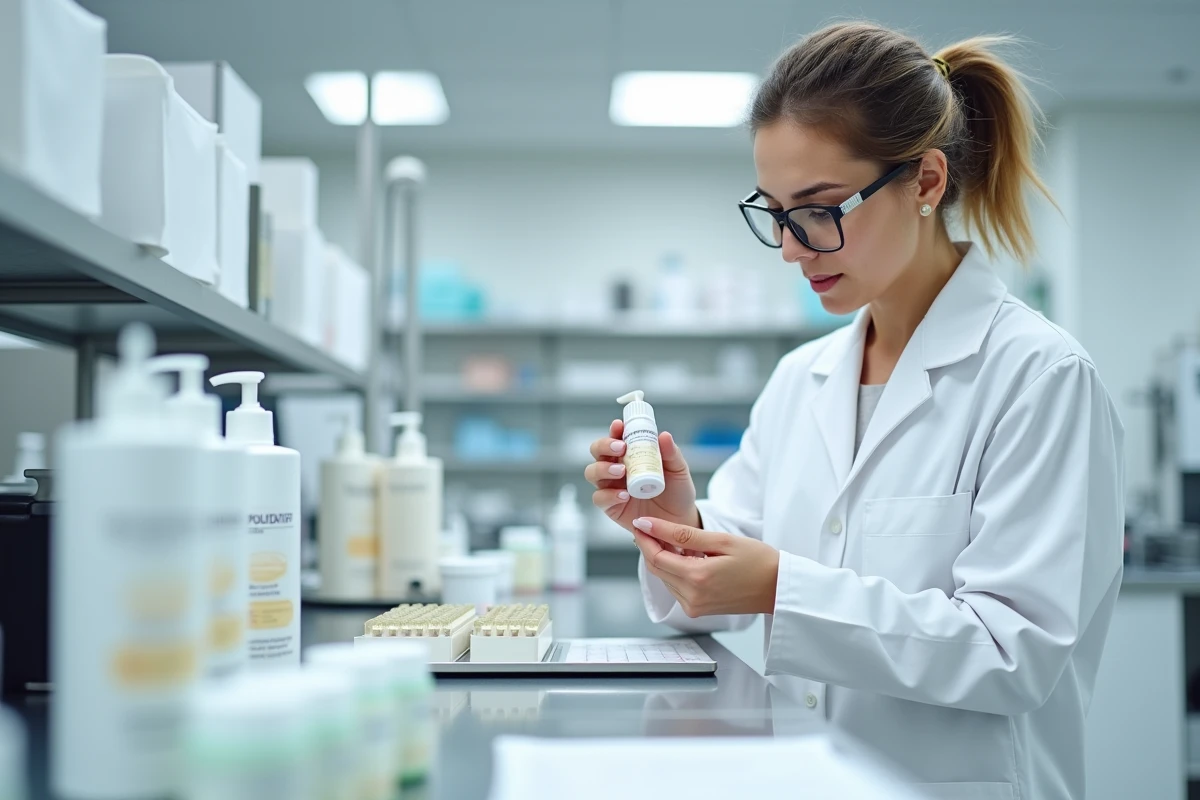
The parapharmacy sector recruits in various types of structures. Almost all large retail chains have a parapharmacy section with dedicated staff. Pharmacies also employ advisors for their parapharmacy section, distinct from the medication dispensing counter.
Entry-level positions correspond to roles as parapharmacy sales advisors. With a few years of experience, several advancements are possible:
- Parapharmacy section manager, overseeing orders, merchandising, and a small team
- Trainer for a cosmetics or supplement brand, responsible for training sales teams
- Sales promoter in retail, often contracted with a laboratory or brand
- Establishing an independent parapharmacy or a specialized online business
The wellness and health prevention sector is experiencing strong demand. Profiles that combine technical knowledge of products with a real ability for personalized advice stand out significantly during recruitment.
Pharmacy or parapharmacy: two professions not to be confused
The confusion between pharmacist and parapharmacist often arises in orientation searches. The pharmacist holds a state diploma obtained after six years of study in pharmacy school. He can dispense medications, vaccinate, and perform certain screening procedures. The parapharmacist, on the other hand, only works with products that do not require a prescription.
For an ST2S baccalaureate holder who is hesitating between the two paths, the question of the study path is crucial. The pharmacy track goes through Parcoursup and then a long and selective university curriculum. Parapharmacy, accessible via a BTS or a short certification, allows for a quicker entry into the workforce.
The choice also depends on the relationship to the product: the pharmacist works with medication and pathology, while the parapharmacist works with care, prevention, and well-being. The two professions sometimes coexist in the same location, but their responsibilities and regulatory frameworks differ completely.
The ST2S baccalaureate opens both doors, provided that the post-baccalaureate training path is adapted to the targeted profession. For parapharmacy, a BTS followed by initial experience in retail remains the most direct and clear path for recruiters in the sector.