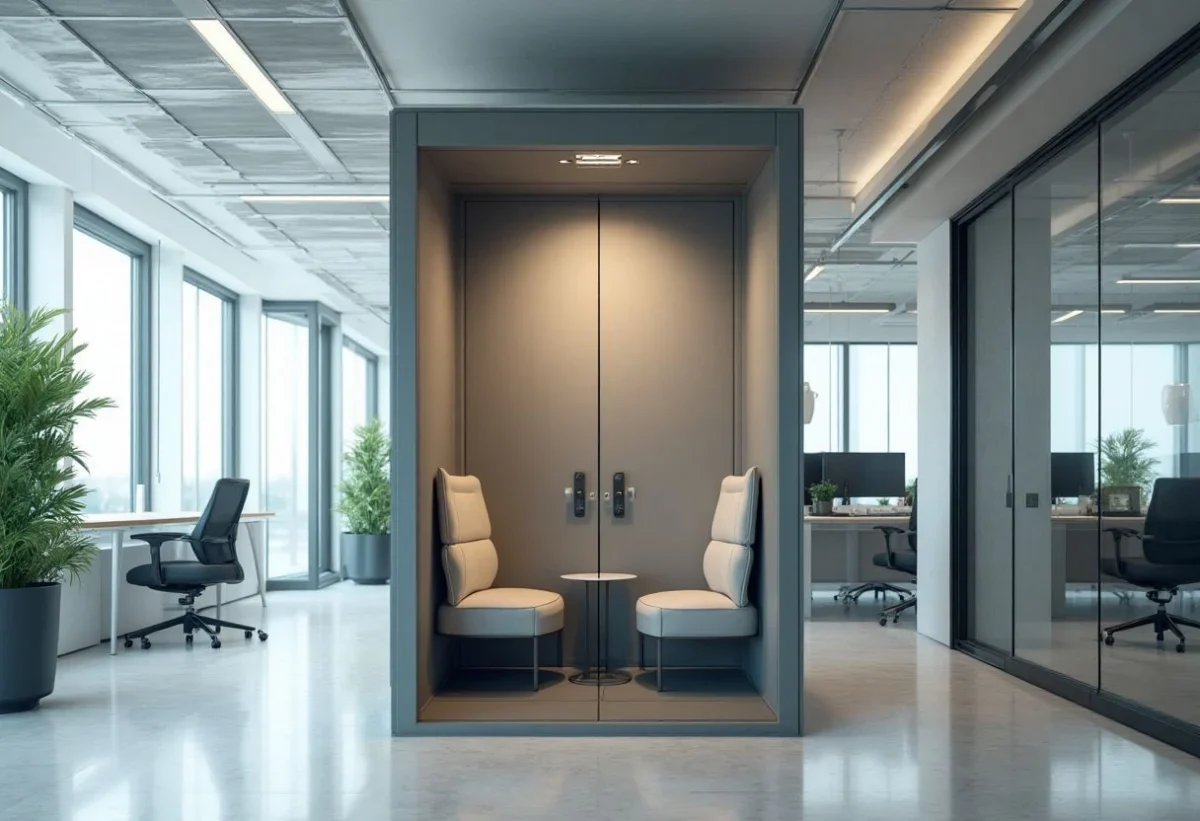
Once ubiquitous in the urban landscape, telephone booths today embody a fascinating blend of nostalgia and modernity. These iconic structures, once essential for public communication, have transformed into art objects, tourist information points, and innovative workspaces in today’s digital world. The transformations of these booths reflect not only the evolution of our relationship with communication but also our ability to reinvent everyday objects to meet new needs.
History and Evolution of Telephone Booths
Telephone booths have a rich history that dates back to the late 19th century, when the need for long-distance communication began to transform the world.
In the very beginning, telephone booths were simple wooden structures, often located in post offices or near train stations. Over time, they became more sophisticated, using materials like glass and metal to provide a private space for users. In the 1980s, they became a symbol of modernity and urbanity, present on every street corner in major cities.
In the 21st century, the rise of mobile phones led to a rapid decline in their use. The booths lost their initial relevance, but they did not disappear entirely. In England, for example, the famous red booths have been repurposed as small libraries, mini art galleries, or charging stations for electronic devices.
The Renaissance of Telephone Booths in the Workplace
In the contemporary professional world, where flexibility and mobility have become essential, telephone booths are experiencing an unexpected renaissance.
- Concentration Spaces: in shared and dynamic offices, they offer a refuge from ambient noise, allowing employees to make important calls or focus on complex tasks.
- Privacy: they ensure confidentiality during sensitive phone conversations, a major asset in open environments.
- Versatility: companies are rediscovering their functional potential; modern booths integrate advanced technologies, such as soundproofing, Internet connectivity, and ergonomic seating.
To delve deeper into these advantages, you can find comprehensive information by visiting this site.
A New Breath for Urban Spaces
The creative reuse of telephone booths has redefined their role in our cities, giving them a second life.
The booths have become essential elements in innovative urban projects. They now serve as platforms for cultural initiatives, such as art exhibitions or sound installations. In some cities, they have been transformed into book-sharing stations, promoting access to reading for all. These projects demonstrate how a traditional object can enrich the urban experience through modest yet significant transformations.
Cultural and Heritage Symbols
Despite their decline as a means of communication, telephone booths remain powerful cultural symbols. Their iconic status is particularly visible in cities like London, where they have become major tourist attractions.
- Photography and Cinema: they frequently appear in films and photographs, capturing the essence of a bygone era and evoking collective memories.
- Collectibles: for history and design enthusiasts, they represent collectible items, cherished for their retro aesthetic and heritage value.
Their presence endures not only as remnants of the past but as living witnesses to how we have communicated and interacted over the decades.
Telephone booths, although often relegated to the background of our collective memory, continue to captivate and inspire. They represent a fascinating bridge between the past and the present, a tangible example of how we can reinvent our environment to suit current needs while preserving the charm and heritage of the past.