The global economy operates at a breakneck pace, connecting distant markets and integrating complex supply chains. At the heart of this dynamic is international transport, an indispensable network that supports global trade. This sector, much more than just a means of moving goods from one point to another, represents a pillar of the global economy. It is essential to understand its mechanisms, challenges, and the innovations that shape its future. The impact of new technologies, environmental issues, efficient logistics, and international regulations are all factors influencing these global exchanges.
The Mechanics of International Transport
To understand the importance of international transport in today’s world, it is necessary to delve into its fundamental mechanisms. This sector relies on a multitude of transport modes, each having its specific role.
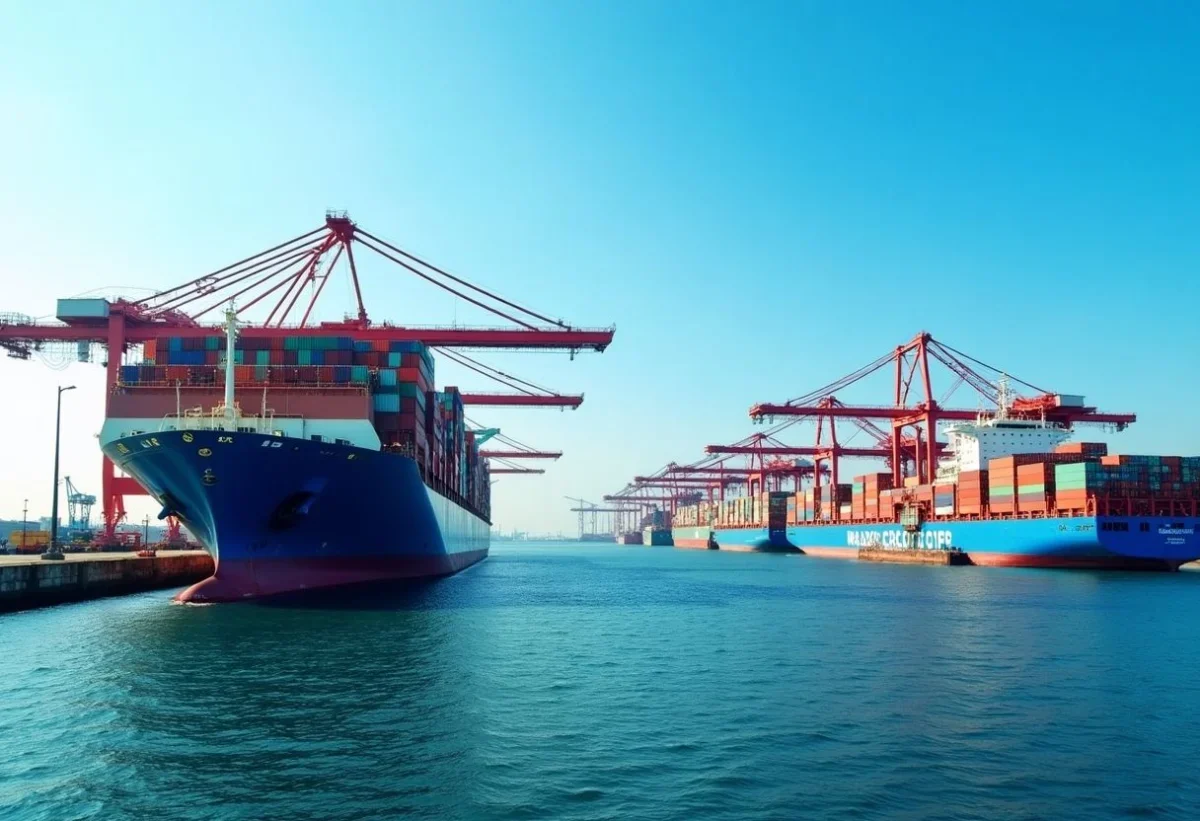
- Maritime Transport: With over 80% of global trade passing through the seas, it is the cornerstone of international exchanges. Container ships, true giants of the seas, ensure the transport of thousands of tons of goods.
- Air Transport: Although less voluminous, it is crucial for transporting high-value goods or those requiring quick delivery. Companies are heavily investing in cost reduction and efficiency improvements to remain competitive.
- Land Transport: It complements other transport modes by ensuring the last mile. International trucking remains essential for reaching landlocked areas or small markets.
Environmental and Regulatory Challenges
International transport faces growing challenges regarding sustainability and regulation. The environmental impact of these activities cannot be minimized, while regulations are constantly evolving.
The reduction of carbon emissions has become a major objective. Making the global fleet greener through alternative fuels or innovative technologies has become a priority. Companies are investing in solutions like hybrid ships or electric trucks.
International regulations, for their part, are adapting to the changing realities of global trade. They aim to ensure safety, protect the environment, and ensure fair competition. Industry players must constantly adapt to comply with new standards.
The Impact of Technological Innovations
Technological advancements are revolutionizing the international transport sector, bringing efficiency, cost reduction, and security.
- Automation and Artificial Intelligence: These technologies are transforming logistics management and supply chains. Algorithms predict and optimize routes, thereby reducing delays and costs.
- Blockchain: This innovation ensures transparency and traceability of transactions, thus securing international exchanges.
- Internet of Things (IoT): Connected sensors allow real-time tracking of goods, improving inventory management and customer satisfaction.
Future Perspectives for International Transport
As the world continues to interconnect, international transport is evolving to meet the growing needs of consumers and emerging markets. Future trends are leaning towards increased integration of digital technologies and growing environmental awareness.
Collaborative logistics is emerging as a solution to improve efficiency. By sharing resources, companies can reduce costs and carbon footprints. Digital platforms facilitate this collaboration by connecting different actors in the logistics chain.
Finally, innovations in renewable energy promise to transform the sector. Investments in clean and sustainable technologies are essential for a more environmentally friendly future.