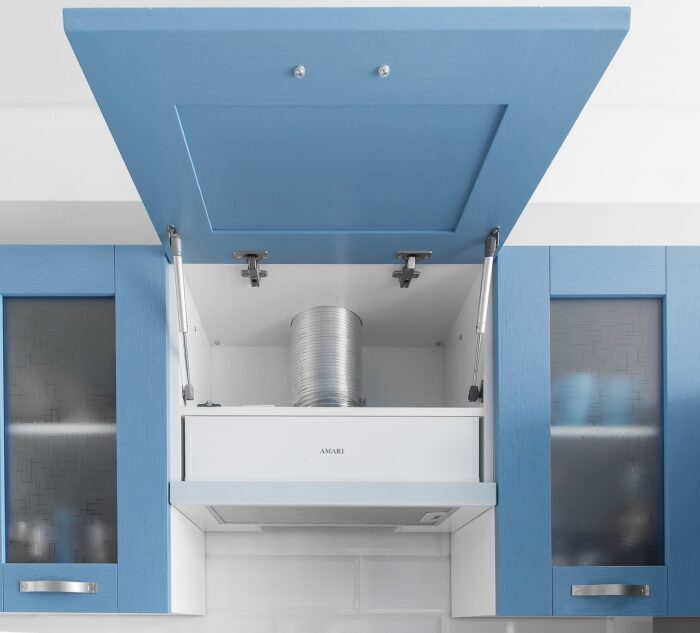
In modern kitchens, the range hood has become an essential element, ensuring a clean and odor-free cooking environment. The performance of this hood largely depends on the type of filter used. With a multitude of choices available, it becomes essential to understand the specifics of each type of filter to make an informed decision.
Active Carbon Filters
The active carbon filter is one of the most popular options for recirculating range hoods. It is effective at absorbing odors and grease, making it an excellent choice for those who cook frequently.
- Operation: Active carbon filters work by capturing grease particles and odors using grains of activated carbon. This process purifies the air, which is then returned to the kitchen.
- Maintenance: These filters are not washable and must be replaced every 3 to 6 months to maintain their effectiveness. The replacement cost can vary, but it is generally affordable.
- Advantages: In addition to their remarkable efficiency, they are particularly useful in kitchens where the installation of an external vent is impossible.
- Disadvantages: The frequent need for replacement can be a drawback for some users.
Metal Filters
Metal filters are often used in vented range hoods. Made from aluminum or stainless steel, they are designed to capture grease particles.
- Operation: These filters act as a barrier, trapping grease and particles before the air is vented outside. This protects not only the hood but also the vent duct.
- Maintenance: Unlike active carbon filters, metal filters are reusable. They can be washed by hand or in the dishwasher, making them economical in the long run.
- Advantages: Their durability and ease of maintenance are major assets. They do not require frequent replacement, thus reducing maintenance costs.
- Disadvantages: They are not as effective at eliminating odors, which can be a negative point for some users.
Fabric Filters
Fabric filters, also known as synthetic filters, are a less common but still effective option.
- Operation: Made from synthetic fibers, these filters capture grease particles and debris.
- Maintenance: They require regular replacement as they cannot be washed. Their lifespan is generally a few months.
- Advantages: They are often less expensive than other types of filters, making them a cost-effective option.
- Disadvantages: Their efficiency is lower than that of active carbon or metal filters, and the need for frequent replacement can be a drawback.
Hybrid Filters
Hybrid filters combine the advantages of active carbon filters and metal filters to offer a versatile solution.
- Operation: These filters use both activated carbon to absorb odors and a metallic material to capture grease particles. This dual action ensures optimal air purification.
- Maintenance: Hybrid filters generally require less frequent maintenance than active carbon filters alone. They can be partially washed, but the activated carbon must be replaced periodically.
- Advantages: Their combined efficiency makes them a highly effective option for those seeking an all-in-one solution. They are particularly recommended for heavily used kitchens.
- Disadvantages: Their initial cost may be higher than that of other filters, although this is offset by their durability and efficiency.
Choosing the right filter for your range hood is a decision that depends on several factors, including the type of cooking you do, the frequency of use, and your personal preferences regarding maintenance and cost. Each type of filter has its own advantages and disadvantages, but by considering these elements, you can optimize the performance of your hood and maintain a pleasant cooking environment. For restaurant settings, a restaurant charcoal hood could provide an ideal solution to ensure optimal air quality.