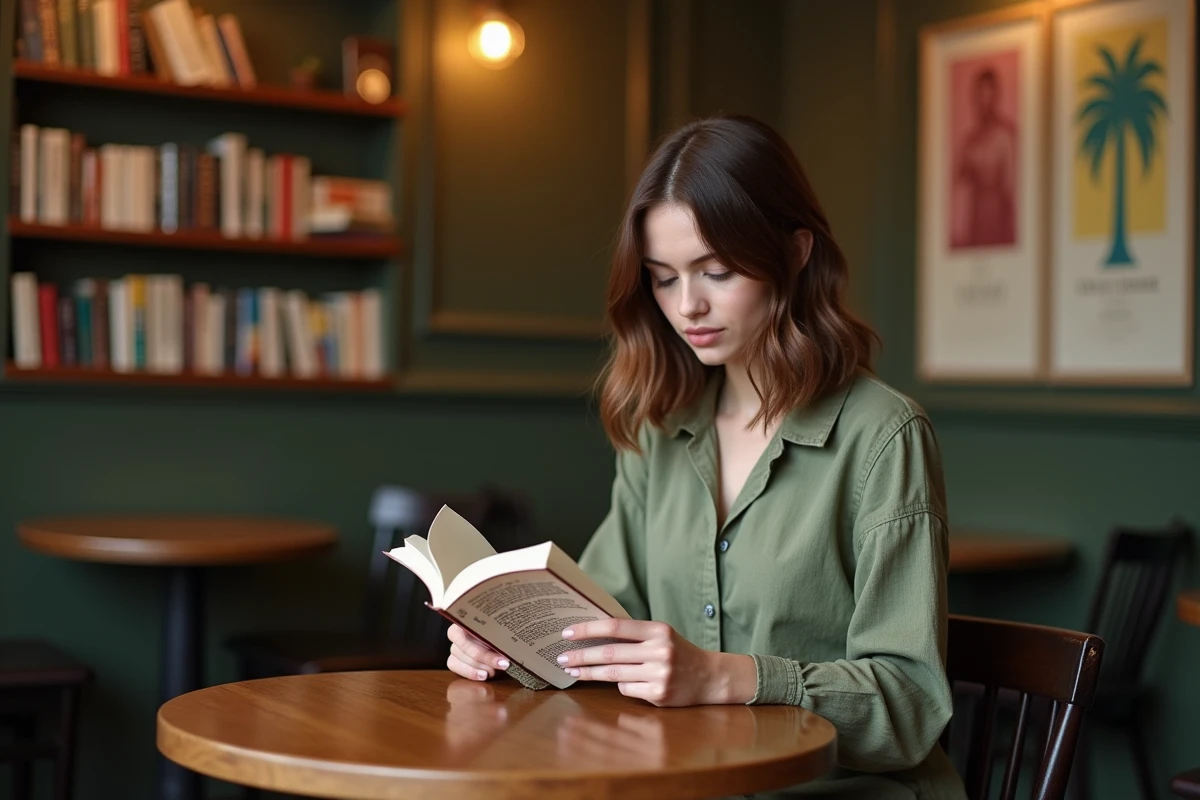
In 2023, graphic novel sales surpassed those of crime novels in France, an unprecedented phenomenon in twenty years. The programming of literary festivals now features a strong presence of authors from diasporas and LGBTQ+ literatures, disrupting traditional balances.
Public policies continue to provide strong support for independent bookstores, while digital platforms keep changing reading habits. Major literary awards honor hybrid works, at the intersection of narrative, poetry, and essay, while literary creation moves away from the dominant genres of the previous decade.
Overview of the movements shaping the French cultural scene
More than just an evolution, the French cultural scene is reinventing itself through a mosaic of currents and voices. Visual arts, cinema, literature, and contemporary creations intersect at festivals, independent galleries, or hybrid spaces, both in Paris and in the heart of the regions. Programming is opening up to a diversity of practices and narratives, echoing the current events of cultural heritage and the complexity of collective memory. Novels, exhibitions, and documentaries are seizing upon French history, scrutinizing the transmissions and tensions that run through it.
The National Center for Cinema (Cnc) continues to support the rise of French cinema, encouraging young directors and promoting the distribution of works across the territory. Visual arts are making their way into public spaces, while citizen collectives are revitalizing creation outside established paths. Literary festivals, increasingly numerous, offer a new stage to authors from all backgrounds, a testament to the vitality of French literature.
Here are some significant dynamics that illustrate these changes:
- Renewal of artistic practices in both metropolitan and rural areas
- In-depth dialogue between cultural news and societal debates
- Strong presence of social and environmental themes in creations
The ways in which cultural information circulates are also evolving: specialized media, such as lapetiterevue.fr, relay weak signals and analyze sector transformations, fueling a collective discussion on the new horizons of culture in France.
Which new authors and literary genres are generating excitement today?
The French literary scene is opening up to a variety of unexpected voices. Young writers and established female authors are disrupting traditional narrative patterns. Current novels blend social realism, intimate confessions, and explorations of identity, captivating a new generation of readers. The short story is establishing itself as a writing laboratory, while hybrid forms, a crossover of narrative and essay, are being integrated by many independent publishing houses.
Among the strong trends, certain literary genres are asserting themselves: the crime novel examines the flaws of our society, science fiction addresses ecological or technological issues, and non-fiction captures the pulse of the times. Vanessa Springora continues her journey in intimate writing, while Kamel Daoud questions the link between heritage and modernity. The Paris Book Festival reveals this diversity each year and highlights unique voices.
To better grasp this evolution, here are the driving forces that traverse recent French literature:
- Multiplication of autofictional narratives and texts grounded in the present
- New momentum for crime fiction and so-called “genre” literatures
- Mixing of references: from Victor Hugo to popular culture
These recent works resonate with a curious readership, eager for authenticity and renewal. Independent bookstores, specialized blogs, and social media contribute to their dissemination, providing visibility to a thriving literary scene.
Exploring the richness of initiatives and events to nourish cultural curiosity
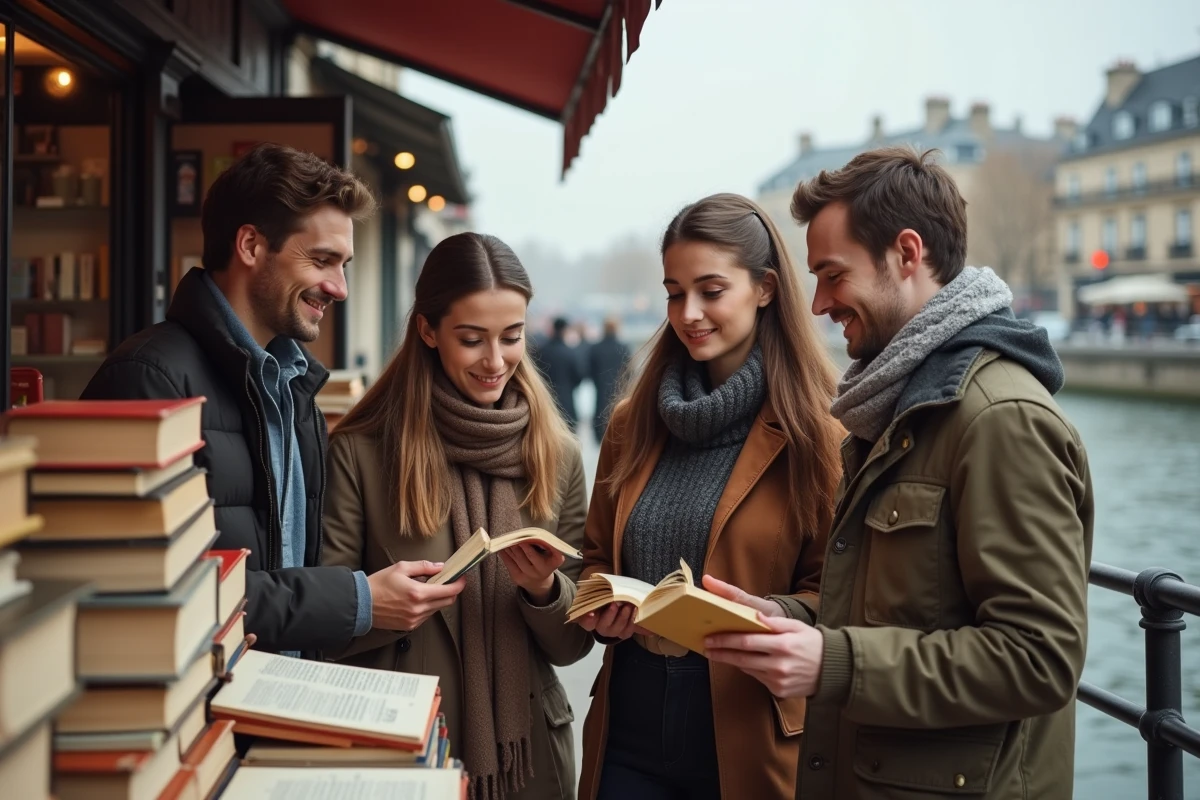
The French cultural life moves forward relentlessly, driven by a multitude of initiatives that enrich the contemporary landscape. Film festivals in Cannes or in the dark rooms of the capital, exhibitions of contemporary art in former urban wastelands, artist residencies, or literary meetings: all these experiences reinvent practices and open culture to new audiences. The Louvre weaves connections between heritage and creation, while French chanson transforms on independent stages, between cabarets and digital platforms.

Emerging sectors such as video games or animated cinema are gaining institutional recognition, supported by subsidies from the National Center for Cinema (CNC). This support also benefits content creators on YouTube or Twitch, who renew cultural transmission formats. Humor, the music of the younger generation, and hybrid forms enrich a landscape that is gradually freeing itself from old boundaries.
Here are some examples illustrating this abundant diversity:
- Exchanges with filmmakers such as Leyla Bouzid, a figure of the new French cinema
- Immersive experiences combining video, sound, and performance in alternative venues
- Birth of artistic collectives engaged in reflecting on the contemporary world
Cultural curiosity thrives in these intersections between disciplines, in the diversity of generations and sensitivities. Whether small confidential events or large manifestations, each initiative contributes to shaping a plural, inventive, and ever-evolving French identity. And tomorrow, what form will this creative energy take? Impossible to predict, but one thing is certain: the cultural scene has not finished surprising us.