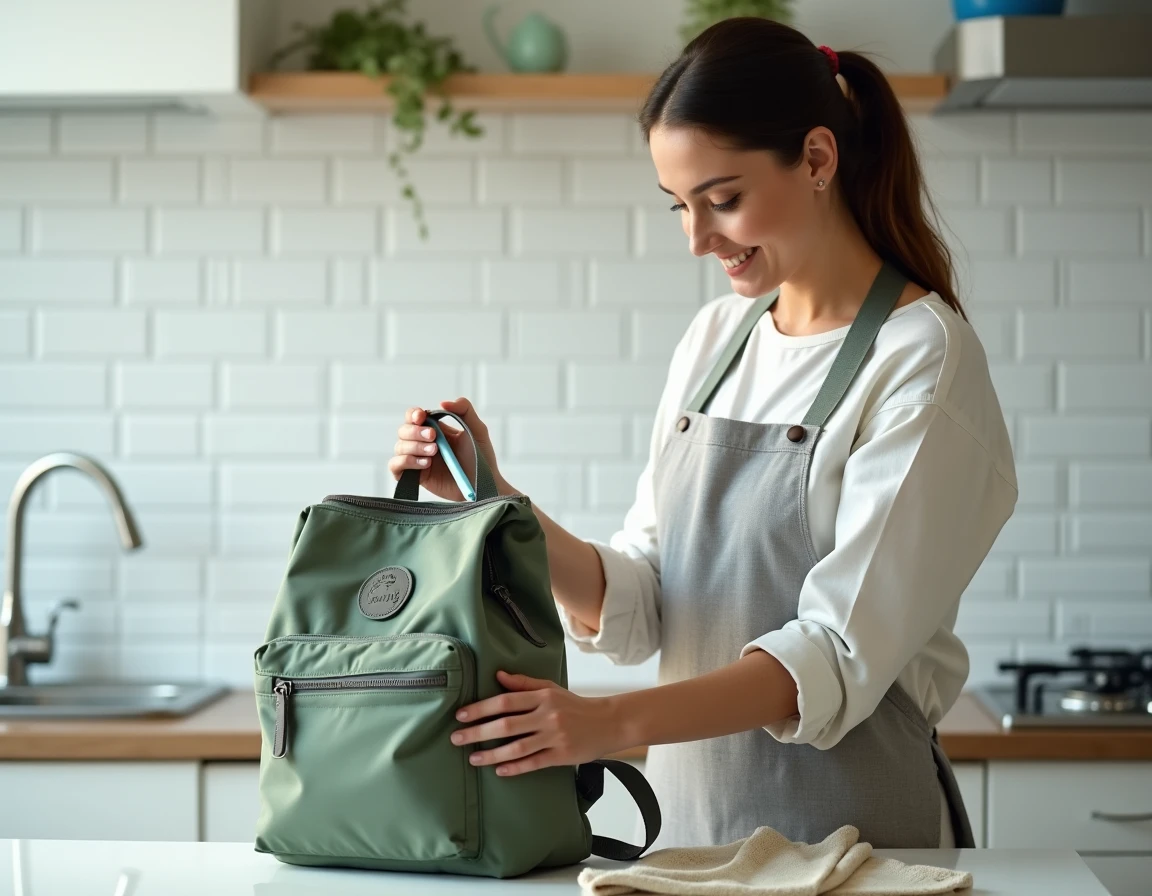
Kipling backpacks are made from crinkled nylon (polyamide), a lightweight fabric treated with a PFC-free water-repellent treatment since recent collections. This treatment repels water and limits dirt adhesion, but it degrades when exposed to harsh detergents or repeated friction. Cleaning a Kipling backpack therefore requires a method suited to this finish, or else the fabric may become more porous and vulnerable to future stains.
Why Kipling advises against machine washing
The brand’s official recommendation is clear: hand wash with cold water, using a soft cloth and a neutral detergent. Machine washing, even on a delicate cycle, can alter the shape of the backpack, discolor the fabric, and damage the finishes (straps, padding, zippers).
The issue arises not only from the mechanical agitation of the drum. Standard machine detergents often contain bleaching agents or concentrated surfactants that attack the water-repellent layer. Once this barrier is weakened, the fabric absorbs stains more over time, producing the opposite effect of what is desired.
Many video tutorials show Kipling bags being machine washed without apparent damage. The result seems acceptable in the short term, but the degradation of the surface treatment is gradual and invisible to the naked eye. The backpack looks clean, but its resistance to dirt decreases wash after wash.
Several users on specialized forums confirm noticing this phenomenon after two or three machine washes. To find more tips for cleaning a Kipling backpack while preserving its durability, manual cleaning remains the only method validated by the brand.
Hand cleaning the Kipling backpack: protocol suitable for crinkled nylon
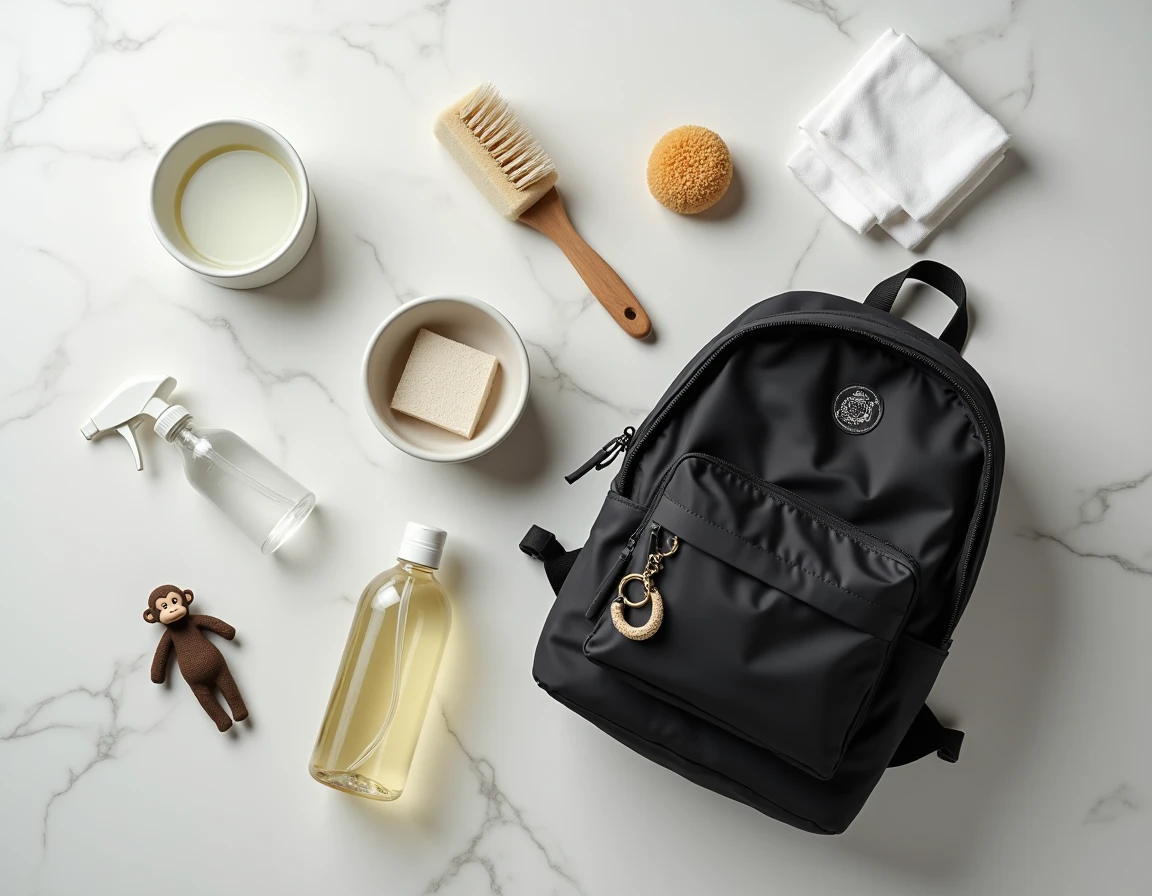
The necessary equipment is minimal: a soft microfiber cloth, cold or lukewarm water, and a neutral pH soap (liquid Marseille soap, for example). No bleach, no concentrated oxygen stain remover, no solvent.
Steps for regular cleaning
- Completely empty the backpack and turn the inner pockets inside out to remove crumbs and debris. Use a low-power vacuum cleaner on the seams if necessary.
- Dampen the microfiber cloth with lukewarm water mixed with a small amount of neutral soap, then gently rub the outer surface in circular motions, section by section.
- Rinse the cloth in clear water and go over the soaped areas to remove any detergent residue. A film of soap left on the fabric attracts dust and dulls the color.
- Leave the backpack open to dry in the air, in the shade. Drying in direct sunlight or with a hairdryer can stiffen the nylon and alter the pigments.
This protocol is sufficient for monthly cleaning or at the end of a term. It preserves the water-repellent treatment and does not require any specialized products.
Ink and ballpoint pen stains on Kipling fabric
Ballpoint pen ink stains are a recurring problem for school backpacks. On Kipling nylon, they embed less quickly than on cotton due to the surface treatment, but they resist simple washing if they have dried.
Kipling recommends a specific protocol for this type of stain: blot the area with a cloth soaked in 90° alcohol, without rubbing. The alcohol dissolves oil-based ink without attacking the polyamide. The action involves pressing the cloth against the stain, then lifting it, repeating the process by changing the side of the cloth to avoid redepositing the dissolved ink.
After stain removal, rinse the area with cold water using a clean cloth to eliminate any residual alcohol. Alcohol does not damage nylon but can dull certain dyes if left too long. Testing on a less visible area (under the flap or the bottom of the bag) is a useful precaution before treating a stain in the middle of the backpack.
Food stains and marker traces
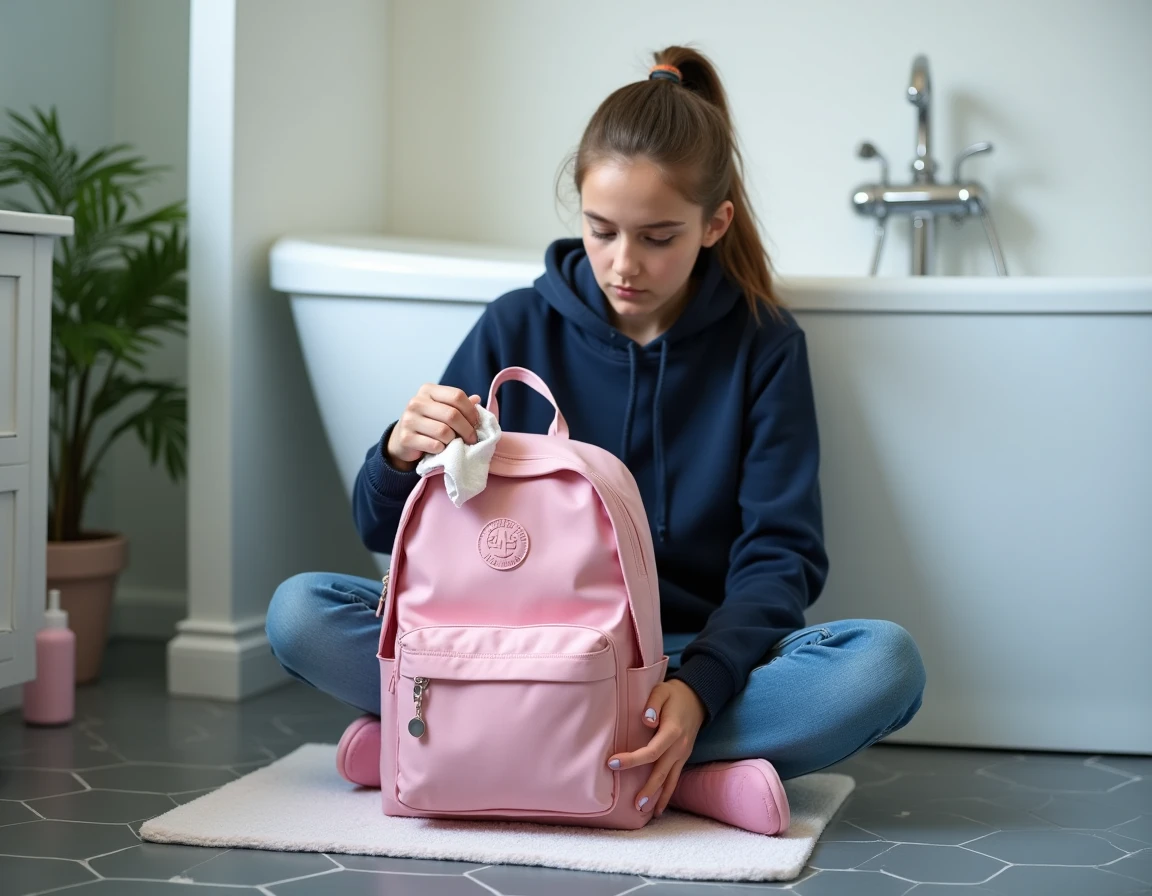
For stains from applesauce, chocolate, or juice, neutral soap and lukewarm water are sufficient in most cases, provided you act quickly. The water-repellent treatment prevents the stain from penetrating the fibers during the first few minutes.
Water-based markers generally come off with a damp cloth. Permanent markers pose more difficulty: 90° alcohol works as well, using the same blotting technique as for ballpoint pen ink. Avoid acetone, which can dissolve certain finishes of Kipling nylon.
Preventive maintenance to extend the life of the backpack
A properly cleaned backpack that is never protected will eventually lose its water-repellent treatment within one or two school years. A few simple habits can slow this wear.
- Empty the backpack every evening to prevent moisture from water bottles or food leftovers from stagnating at the bottom. Prolonged moisture promotes odors and mold in the seams.
- Store the backpack upright and open when not in use (weekends, holidays). A compressed bag for weeks loses its shape, and the back padding flattens.
- Avoid placing the backpack on wet or dusty surfaces. The bottom of the bag concentrates friction and loses its treatment first.
Kipling does not sell a dedicated waterproofing spray, but a universal water-repellent spray for technical textiles (available in sporting goods stores) can partially restore surface protection after several months of use. Apply this spray to a clean, dry backpack in a thin layer, then let it dry in the air.
Kipling’s polyamide nylon withstands years of school use if cleaning respects the surface finish. A soft cloth, neutral soap, and cold water cover almost all needs. Keeping 90° alcohol on hand for ink stains, and never giving in to the temptation of machine washing, remain the two reflexes that make the difference between a backpack that lasts and one that degrades in a few months.