A second-hand toy in good condition serves exactly the same playful and educational purpose as a new toy. The difference lies in the purchase price, the ecological footprint, and the precautions to take before giving it as a gift. Buying second-hand toys for your children requires mastering a few technical criteria, particularly regarding safety and the actual condition of the product, so that the gift remains a pleasure without compromise.
CE Marking and Small Parts: Safety Points to Check on a Second-Hand Toy
The CE standard remains the first reliable benchmark. This marking, applied by the manufacturer, certifies that the toy meets European safety requirements at the time it was placed on the market. On a second-hand toy, the CE logo must always be legible. If it has disappeared or is faded, the toy has likely suffered wear that justifies setting it aside.
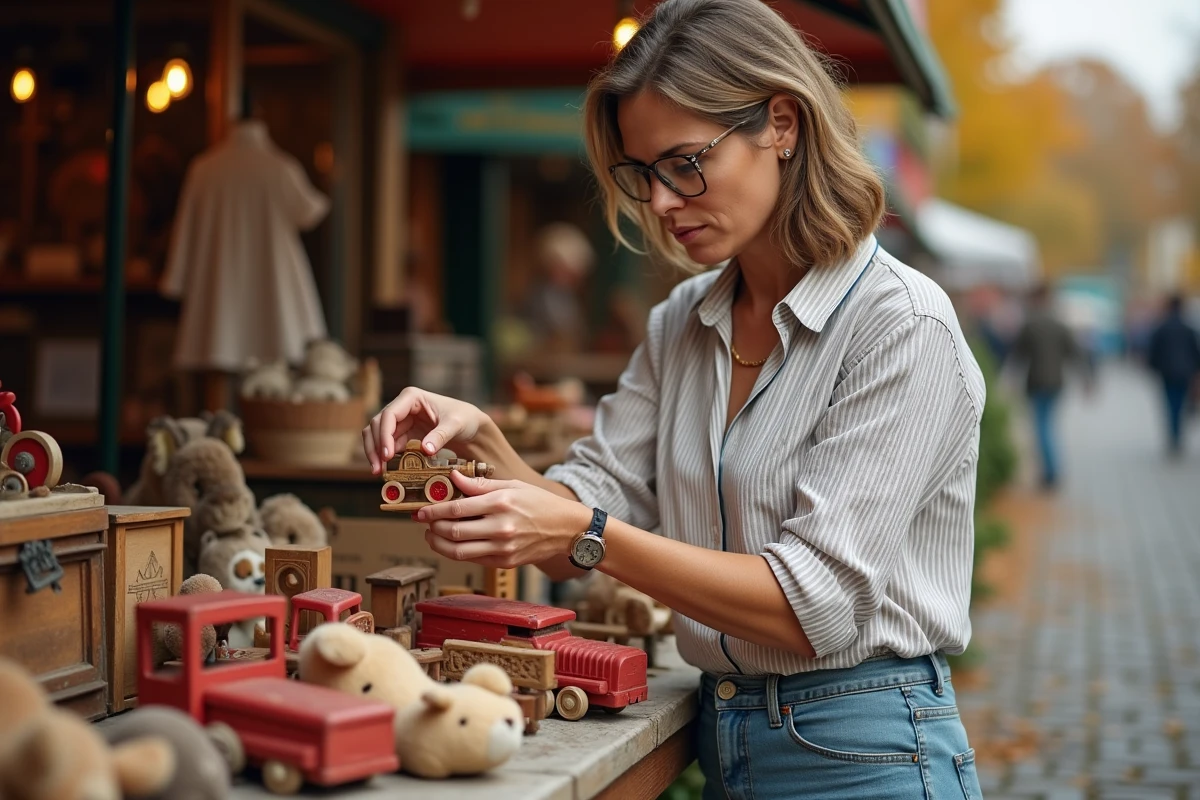
Beyond the marking, physical inspection takes precedence. A toy intended for a child under 36 months should not have any small detachable parts that could be swallowed. Over time and with use, components can become fragile: plush buttons, small car wheels, cracked puzzle pieces. Checking every joint and every fastening before giving a second-hand toy helps avoid risks of ingestion or injury.
Electronic toys deserve special attention. A damaged battery compartment or exposed wire renders the toy unusable. Testing the complete functionality (sound, light, mechanism) at the time of purchase remains the only reliable guarantee. Specialized platforms like poupala.fr select and inspect toys before reselling them, which reduces this inspection work for parents.
Actual Condition of the Toy: Distinguishing Acceptable Wear from Critical Defects
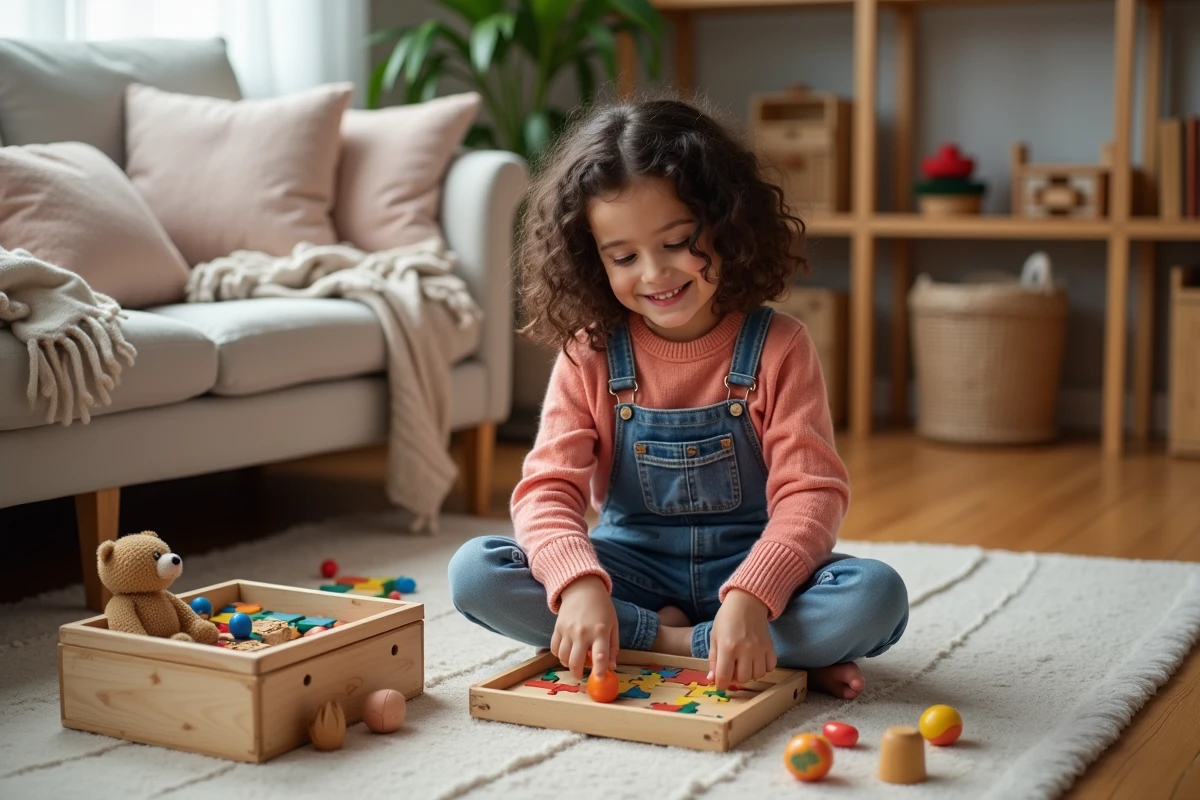
Not all signs of wear are equal. A slightly bent board game box does not affect the game at all. A missing piece in a 500-piece puzzle makes the game frustrating.
Cosmetic wear does not diminish play value, while a functional defect eliminates it. This distinction guides every purchasing decision.
Quick Checklist Before Purchase
- Count the pieces of a board game or puzzle by comparing them to the manufacturer’s list (often printed inside the lid)
- Check that moving mechanisms (wheels, hinges, push buttons) work without forcing or getting stuck
- Smell the toy: a musty or strong chemical odor indicates improper storage or degraded material
- Run a finger along edges and painted surfaces to detect chips, smudges, or paint peeling
Solid wood toys age better than their thin plastic counterparts. A second-hand wooden kitchen retains its structural integrity for years, whereas a soft plastic toy may crack or fade quickly.
Second-Hand Toys and Gift Perception: Overcoming Psychological Barriers
The main obstacle to buying second-hand toys is not the price. It is the perception of a “gift of lesser value” by those around or by the child themselves. This perception is based on an association between new and the attention given to others.
In practice, a child under six years old cannot distinguish a new toy from a second-hand toy in excellent condition. Packaging and presentation make the gift, not the price tag. A complete construction set, cleaned and wrapped in kraft paper, has the same effect as a store-bought item.
For older children, the question arises differently. Toys related to popular licenses (figurines, video games, collectible card games) are often sought after in specific editions. The second-hand market then offers an advantage that new does not: finding out-of-print references in stores.
When Second-Hand Doesn’t Make Sense
Some categories of toys are not well-suited for second-hand. Creative hobby kits (painting, modeling clay, beads) are inherently consumable. Buying them second-hand often means getting an incomplete kit, with dried tubes or already used elements. It’s better to buy them new at a low price.
Second-Hand Toy Budget: Where the Real Savings Are
The savings made on a second-hand toy depend on the category. Large toys (dollhouses, train sets, play kitchens) show the most significant depreciation because their bulk encourages sellers to part with them quickly. A parent can equip a playroom completely for a fraction of the retail price.
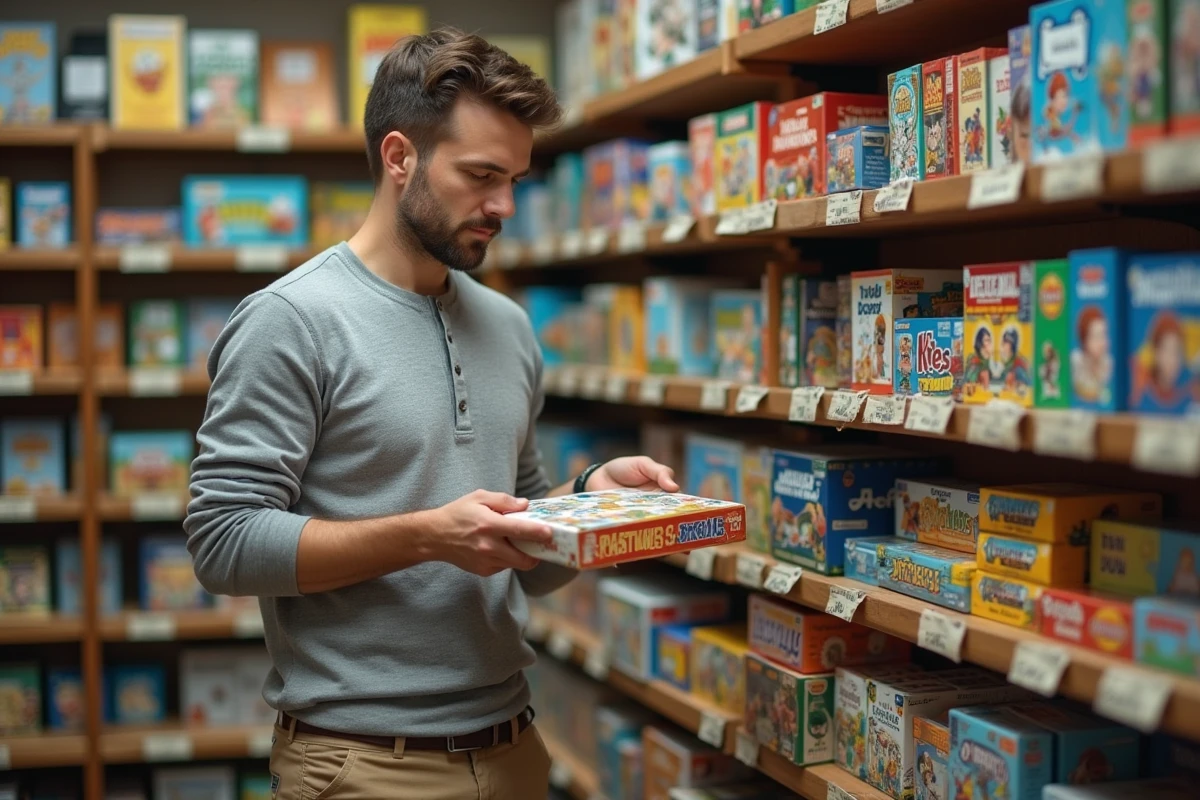
Board games also represent excellent value for money second-hand, provided that all pieces are present. A complete and well-maintained game can be resold easily, creating a buying-reselling cycle similar to long-term rental.
Outdoor toys lose value quickly in the second-hand market: balance bikes, slides, swings. Their price drops while their lifespan remains long. This is the segment where the gap between new and second-hand benefits buyers the most.
- Large indoor toys (kitchens, workbenches, houses): rapid depreciation due to bulk
- Outdoor toys (bikes, balance bikes, swings): significant depreciation despite a long lifespan
- Complete board games: good purchase price and ease of later resale
- Figurines and licensed toys: variable price depending on rarity, sometimes higher than new for sought-after editions
The second-hand market for children works better when viewed as a circuit rather than a one-off purchase. Buying, using for a few months, then reselling at the second-hand price allows for regular game renewal without accumulating or spending as much as when buying new. The real cost of a toy is measured by the difference between its purchase price and its resale price, not by its sticker price.