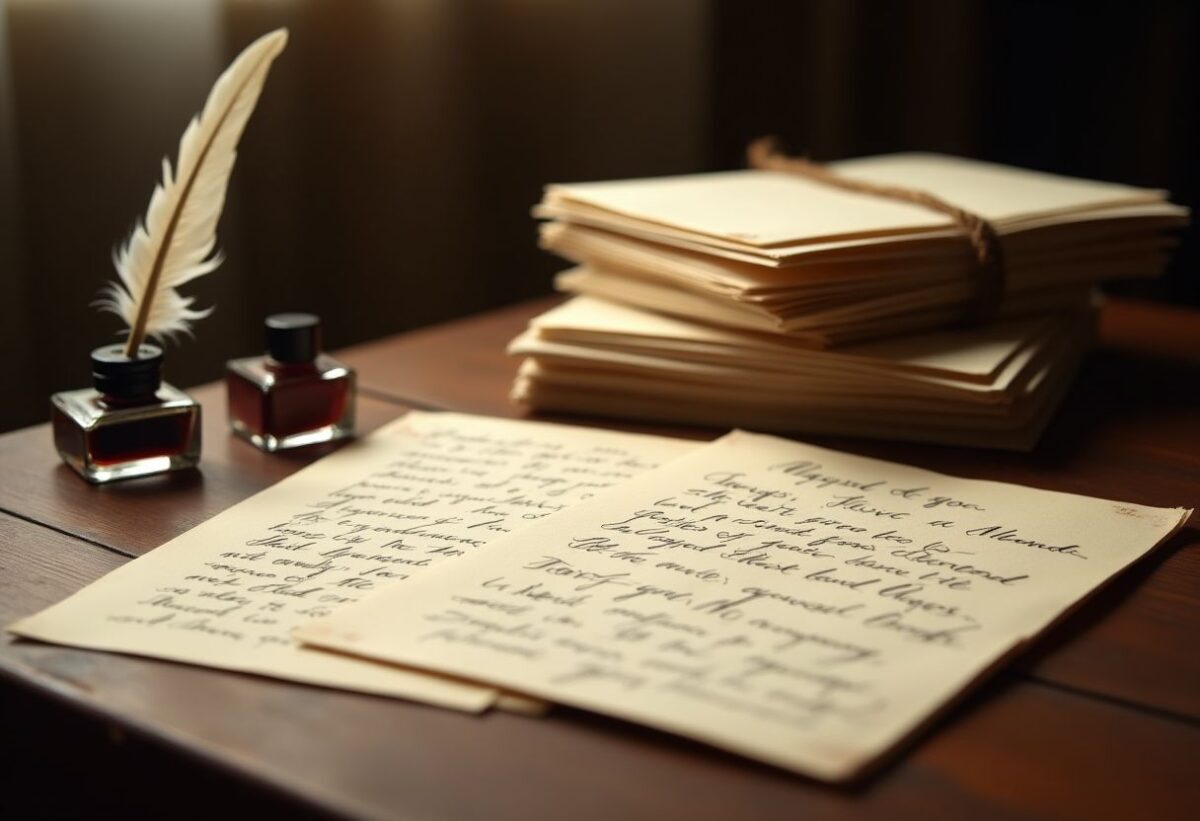
In our digital age, where instant communication reigns supreme, the art of letter writing may seem outdated. However, a well-written letter can convey a depth of feeling and clarity that electronic messages often cannot match. Whether for personal, professional, or official correspondence, writing a letter requires a certain level of skill.
Learning to write an effective and touching letter is a valuable skill, both elegant and timeless. Let’s explore how to master this art with practical tips and various approaches.
Understanding the structure of a letter
It is essential to grasp the fundamentals that make up the structure of a letter to ensure a clear and professional presentation. While formats may vary depending on the context, certain components remain universal.
Every letter begins with a header, which generally includes the sender’s address and the date. This section may seem mundane, but it anchors your missive in a specific time and place. Next is the salutation, which opens the communication in a respectful or warm manner, depending on the relationship with the recipient. The body of the letter is the heart of the message, where the subject of the correspondence is developed with clarity and conciseness. Finally, the conclusion and signature punctuate the message with a final note and personal identification.
Adopting the appropriate tone and style
The choice of tone and style is crucial for how your letter is perceived by the recipient. Tailor it to the context and your relationship with the recipient to maximize the impact of your message.
- For a formal letter, favor a polished and professional language. Avoid familiarity and opt for a classic structure.
- In a personal letter, let your personality shine through. Use a more warm tone and expressions that reflect your relationship with the recipient.
- Thank-you letters should express sincere gratitude. Be specific about the reasons for your appreciation to enhance the authenticity of your message.
Caring for the visual presentation
The visual presentation plays a crucial role in the appeal of a letter. It conveys an immediate impression and influences the reader’s receptiveness. Pay particular attention to this aspect to give your letter the impact it deserves.
Use an airy layout with sufficient margins to avoid a cluttered appearance. The choice of paper and ink can also reflect the seriousness and care taken in the correspondence. In an example letter, the harmony of fonts and the careful alignment of paragraphs contribute to the readability and elegance of the document.
Avoiding common mistakes
Errors can tarnish the quality of your letter and hinder the understanding of your message. Identify and correct potential mistakes before sending.
- Proofread carefully to detect spelling and grammar mistakes that could discredit your message.
- Check facts and data to avoid inaccuracies that could cause confusion.
- Ensure that the recipient’s name and address are correct to avoid misunderstandings or loss of your mail.