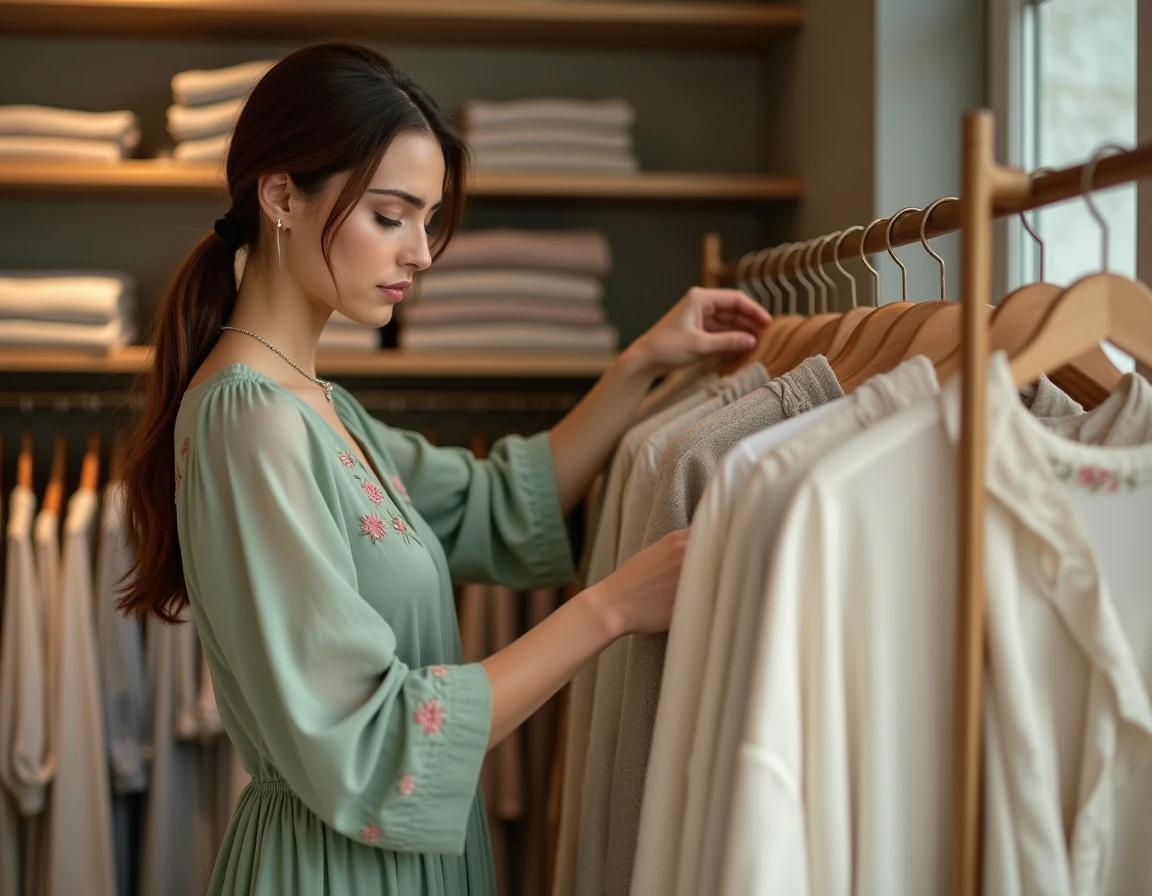
The online fashion market is structured around two poles: generalist platforms and editorial spaces driven by strong identities. Between these two models, universes like Mamzelle H offer a perspective on fashion that blends seasonal trends with a clear stylistic stance. This positioning is set against a backdrop where purchases from independent boutiques and local brands are on the rise, driven by a search for personalized advice and uniqueness.
Independent fashion and the “local chic” dynamic in medium-sized cities
The trend reports from major media focus on international fashion shows and highly visible brands. They overlook a well-documented dynamic by professional federations of women’s ready-to-wear: the growth of fashion purchases in independent city center stores.
This phenomenon particularly affects medium-sized French cities, where customers favor direct contact, stylistic advice, and limited edition collections. The model relies on a strong brand identity rather than volume. Exploring the fashion universe of Mamzelle H allows one to grasp this approach, which structures each selection around a precise aesthetic choice rather than an exhaustive catalog.
This logic of proximity changes the relationship with clothing. The choice of a piece is no longer based solely on an online visual, but also on the trust placed in editorial curation. The extent of this shift remains difficult to quantify precisely, but the underlying trend is documented by professional trade federations.
Slow fashion and sustainability: an angle still underexplored in trend content
Seasonal fashion articles discuss colors, silhouettes, and prints. They rarely address the question of materials and their origins, or production volumes. Sustainability remains a blind spot in general trend reports.
However, designers and boutiques close to the “Mamzelle” universe have been integrating this dimension for several seasons: recycled materials, small series, European production. These are not secondary marketing arguments, but choices that structure the offer and deliberately limit the number of available references.
What slow fashion concretely changes in a wardrobe
Adopting a sustainable fashion logic does not mean giving up on trends. It involves prioritizing purchases differently:
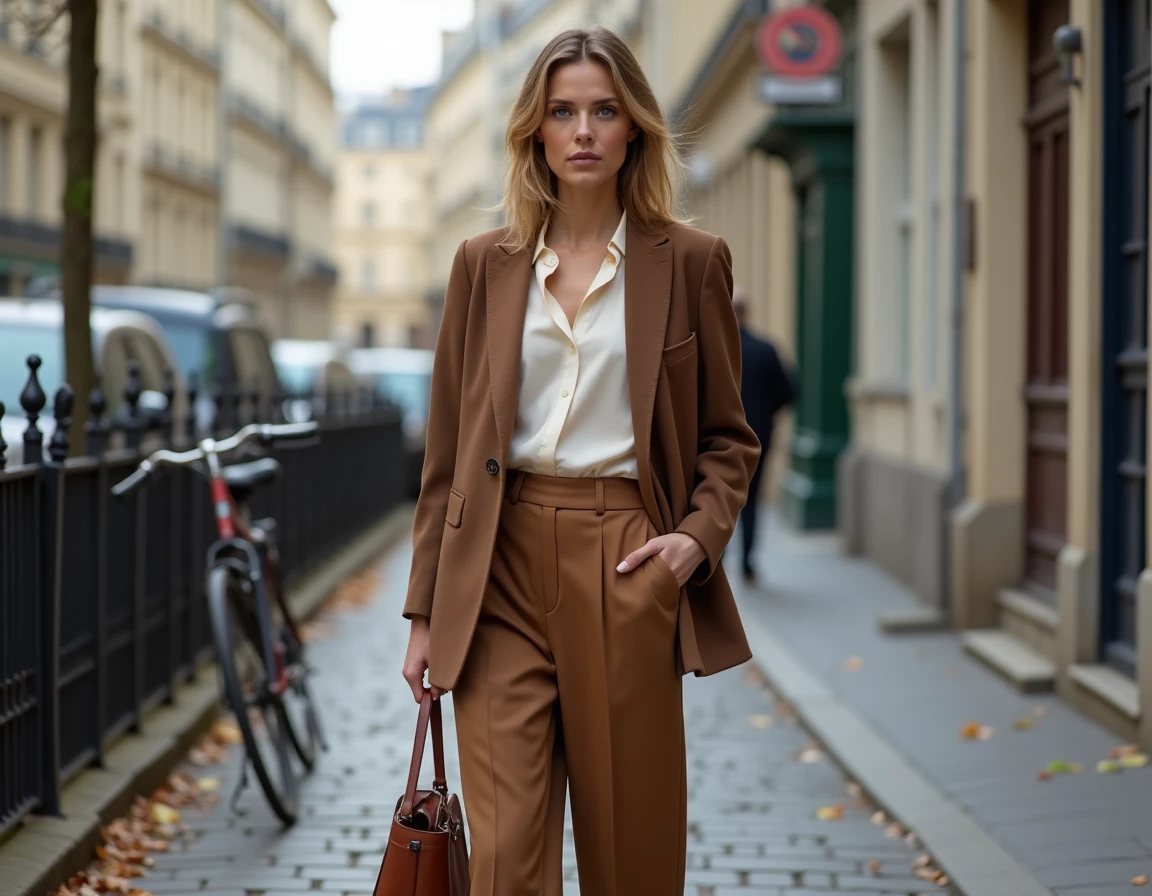
- Favor versatile pieces that span several seasons, such as a linen blazer or a flowy dress in neutral tones
- Check the traceability of materials (fabric origin, production location) before finalizing a purchase
- Accept a higher unit price in exchange for a longer lifespan and reduced environmental impact
- Build a wardrobe around three or four base colors, complemented by targeted seasonal pieces
This approach requires a trade-off that classic fashion content does not explain. The cost per wear (the number of times a garment is actually worn relative to its price) becomes a more relevant choice criterion than the displayed price.
Spring-summer 2026 colors and silhouettes: reading trends through an editorial filter
The creamy white Cloud Dancer, chosen as Pantone’s color of the year 2026, sets the tone for the season. Surrounding this soft white are powder pink, sage green, azure blue, and pastel yellow. The spring-summer 2026 palettes mark a shift towards lightness and desaturated tones, in contrast to the bright colors that dominated previous seasons.
The silhouettes follow the same direction: fluidity, airy volumes, and embraced romanticism. However, the way these trends are adopted varies significantly depending on whether they are purchased from a mass distributor or in a strongly branded editorial space.

The hybridization of codes as a stylistic signature
Some independent collections, including those close to the Mamzelle universe for the autumn-winter 2025 season, work on a hybridization between artisanal textures and contemporary cuts. Nets, openwork knits, and raw materials coexist with clean lines.
This mix is not found in the standardized selections of large brands, which tend to offer a unique interpretation of each trend. The interest of an editorial space like Mamzelle H lies in its ability to filter macro trends through a singular lens, retaining what aligns with a style identity rather than what sells in volume.
Building a personal style beyond seasonal trends
Fashion trends operate in short cycles. A print disappears in a few months, a cut returns after a decade of absence. Investing in a coherent clothing identity better protects against fashion fads than following every micro-trend.
This involves understanding one’s own stylistic constants: the cuts that work for one’s body shape, the colors that naturally recur in choices, and the non-negotiable level of comfort. Specialized editorial spaces play a filtering role in this process, offering selections already oriented by an aesthetic stance.
The available data does not allow for precise measurement of the impact of this type of curation on long-term purchasing behavior. What emerges from consumer feedback published by professional federations is that loyalty to an independent brand is correlated with the perception of personalized stylistic support, much more than with price or the breadth of the catalog.
Fashion in 2026 is read on two levels: surface trends (colors, materials, silhouettes) and underlying movements (sustainability, proximity, editorial curation). The former change each season. The latter sustainably reshape how we choose, buy, and wear our clothing.